


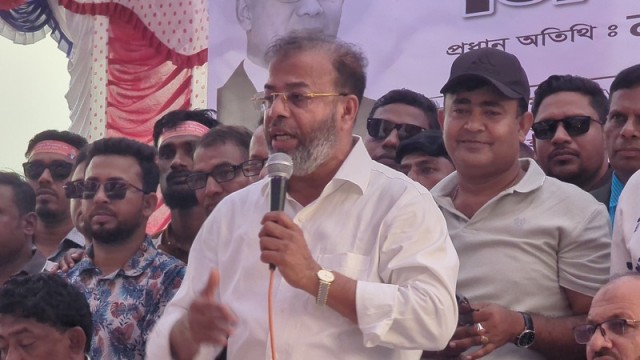
Mongla, Feb 23 (V7N) – Bangladesh’s State Minister for Environment, Forest and Climate Change, Lion Dr. Sheikh Faridul Islam, has announced a series of priority initiatives, including the plantation of 250 million trees over five years, strict measures to curb plastic pollution, and intensified action to protect the Sundarbans from piracy and toxic fishing practices.
In an exclusive interview with this correspondent, the minister said key projects to be undertaken on an urgent basis have already been identified by his ministry.
He said that if the BNP remains in charge of running the country, it is committed to planting 250 million trees nationwide within the next five years, which would require planting 50 million trees annually. “We will finalize the action plan for this massive afforestation drive within the next 15 days and submit it to the Prime Minister’s Office for final approval. Once approved, we will formally launch the nationwide tree plantation programme,” he said.
Addressing plastic pollution, the minister described it as a severe and growing problem, particularly in major cities including Dhaka, where one-time-use plastics are contributing significantly to waterlogging. He noted that single-use plastic had been largely eliminated during a previous BNP administration but has gradually resurfaced and spread “like a fungus,” posing serious environmental threats. He said the ministry is preparing a comprehensive plan and will begin swift implementation.
On the protection of the Sundarbans, the world’s largest mangrove forest, Dr. Faridul said the government has fallen behind in ensuring adequate security. Piracy in the region has increased sharply, with at least five criminal groups reportedly kidnapping fishermen regularly and releasing them only after ransom payments. As a result, many fishermen are now afraid to venture into the sea. The minister said he will hold meetings with law enforcement agencies to address the issue.
He also raised concern over the use of poison for fishing in the Sundarbans and surrounding river systems, calling it extremely harmful and destructive to the country’s overall fish resources. He plans to convene officials from Khulna, Bagerhat and Satkhira districts to coordinate efforts to stop the practice. “Poisoning is destroying total fish stocks and could create a serious protein deficit for our population,” he warned.
Dr. Faridul said he is committed to fulfilling the responsibilities entrusted to him and expressed hope that his leadership will benefit both the country and its people.
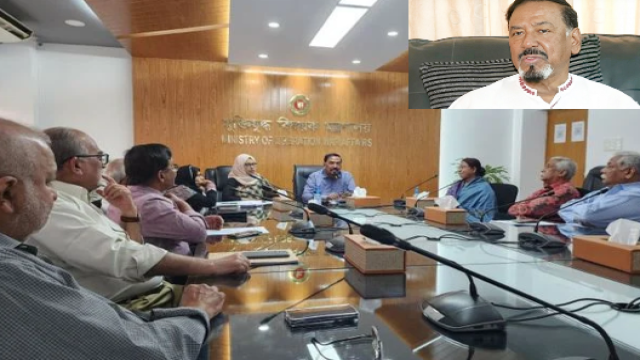
In addition to the Ministry of Environment, Forest and Climate Change, he also holds responsibilities at the Ministry of Law, Justice and Parliamentary Affairs and the Ministry of Religious Affairs.
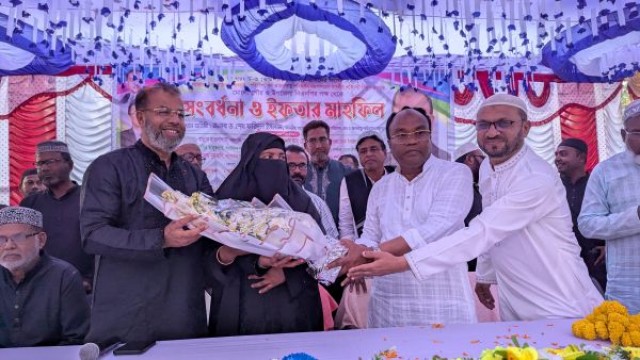
He was elected to Parliament on February 12 from the Bagerhat-3 constituency (Mongla-Rampal), defeating a Jamaat-e-Islami candidate by a large margin. For nearly 15 to 16 years, he has maintained close ties with local communities in Mongla and Rampal. The constituency had been held by the Awami League for 35 consecutive years. His victory is seen as both a party-level breakthrough for the BNP and a reflection of his personal popularity among voters.
END/AHS/SMA/























Comment: