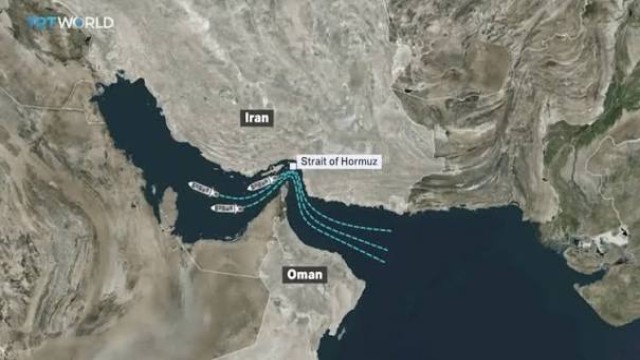
Tehran, Sept 9 (V7N) – Iran's Revolutionary Guards announced on Wednesday that a new "prohibited zone" outside the Strait of Hormuz would cover parts of the Gulf of Oman and beyond, adding that they would announce the exact coordinates later, as tensions over the strategic waterway continue to escalate.
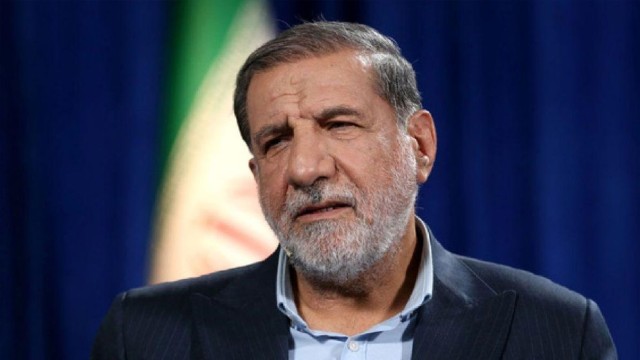
"It approximately starts from the direction of Chabahar, covering part of the Sea of Oman and another part of the Arabian Sea, along the route that can lead to the Strait of Hormuz," Guards spokesman Hossein Mohebi told state television.
"If a vessel enters that area without coordination, it will be subject to our sanctions… It means, for example, that if it later wants to come and use the Strait of Hormuz, if it wants to receive services somewhere, such as insurance or other related services, we will refrain from providing those services," he added.
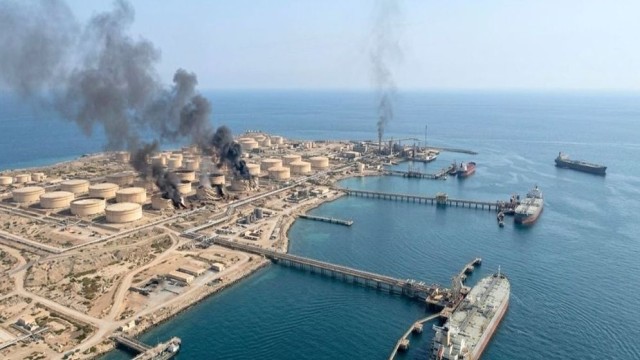
The announcement comes after Iran reported "significant progress" with Oman, both coastal states on Hormuz, in discussions of a temporary shipping route through the strait. Iranian forces have restricted traffic through Hormuz, a vital energy conduit, since the start of the war with the United States on February 28. The US has imposed a counter-blockade on Iranian ports.
Tehran has required vessels to seek permission to transit, insisting there will be no return to the pre-war system of unrestricted navigation. On Tuesday, Iranian forces said they had struck 10 vessels that attempted to cross Hormuz without coordination.
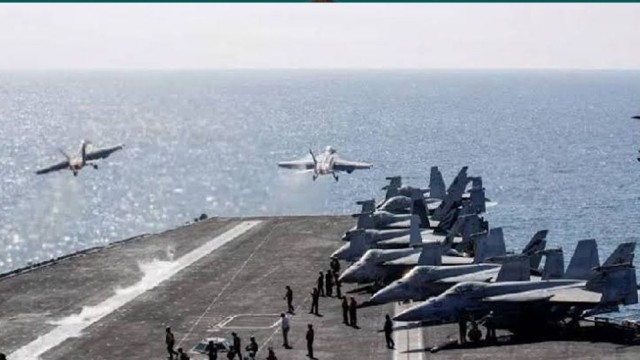
US President Donald Trump said in recent days that American forces have helped facilitate the passage of vessels through the strait, "averaging 30 ships a night". Iran's security chief Mohsen Rezaei said Sunday that the US tries each night to help five or six ships through, "and usually these ships get hit".
During his interview on Wednesday, Mohebi said the war with the United States could end if Washington halts "renewed threats, withdraw the Israeli regime's army from Lebanon and end the blockade of Yemen," in reference to Saudi Arabia's decade-long restrictions on ports and airports run by Tehran-backed Houthi rebels in Yemen. He added the US should also "release $24 billion in Iran's frozen assets, and refrain from any interference in the country's nuclear and missile capabilities."
The Strait of Hormuz, through which about one-fifth of the world's oil passes, has been the focal point of the conflict since it began in late February 2026 with US-Israeli strikes on Iran. Iran retaliated by blocking the strait and attacking vessels, while the US imposed a naval counter-blockade on Iranian ports. A fragile ceasefire in April and a memorandum of understanding in June failed to produce a lasting settlement, with sporadic attacks continuing. The new "prohibited zone" announcement marks a further escalation in Iran's efforts to control maritime traffic in the region.
end/aj/rh/