


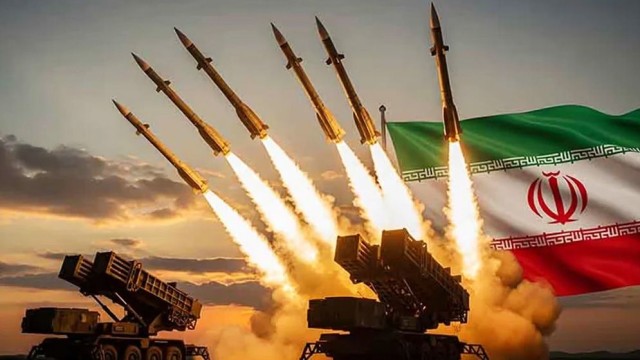
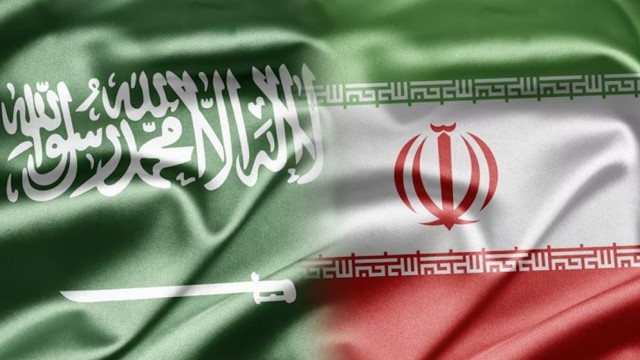
TEHRAN/JERUSALEM, March 22 (V7N) – Iran threatened on Sunday to strike key infrastructure across the Middle East if U.S. President Donald Trump follows through on his ultimatum to “obliterate” Iranian power plants unless the Strait of Hormuz is reopened within 48 hours.
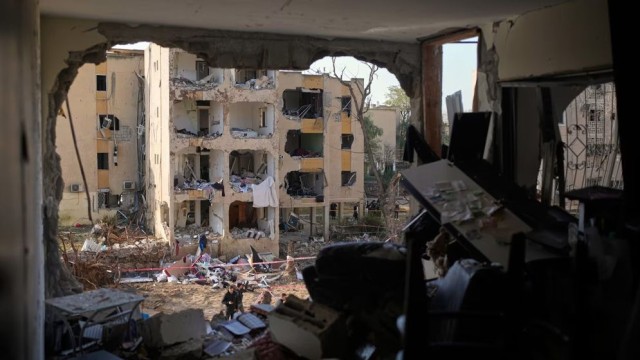
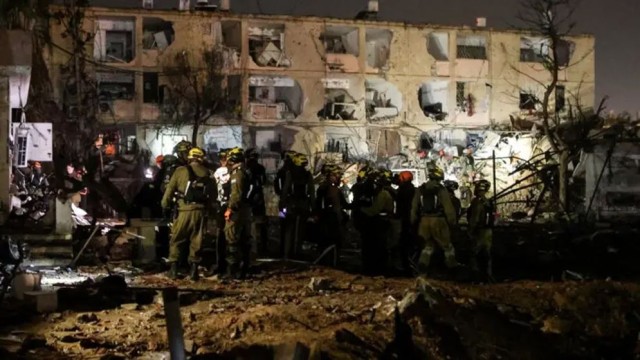
The warning came after Iranian missiles penetrated Israeli air defences, hitting the towns of Arad and Dimona—the latter near Israel’s nuclear facility—wounding more than 100 people. The strikes underscored Tehran’s ability to retaliate as the war entered its fourth week.
Trump, writing on Truth Social, vowed to begin destroying Iranian power plants “starting with the biggest one first” if Tehran did not reopen the strait by 23:44 GMT Monday. Iran’s military command responded that if its facilities were attacked, it would target energy, IT, and desalination infrastructure belonging to the U.S. in the region.
In Dimona, a missile landed about five kilometres from the nuclear site, damaging residential buildings. Iran said the strike was retaliation for an earlier attack on its Natanz nuclear facility.
Israel launched fresh strikes on Tehran in response, while Prime Minister Benjamin Netanyahu vowed to personally pursue senior commanders of Iran’s Revolutionary Guards.
UN nuclear watchdog chief Rafael Grossi urged restraint to avoid the risk of a nuclear accident. Saudi Arabia reported three ballistic missiles around Riyadh, with one intercepted.
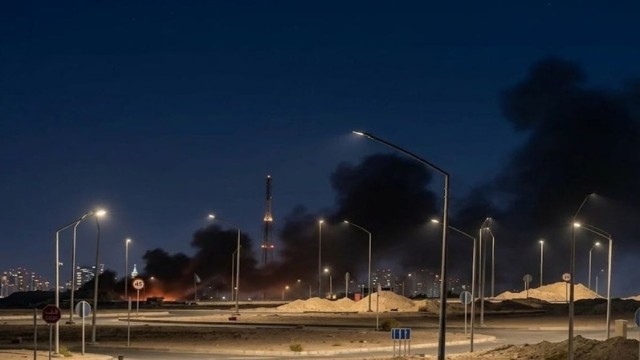
The UAE said it repelled Iranian missile and drone attacks, after Tehran warned against allowing U.S. strikes from disputed islands near Hormuz. In Lebanon, Hezbollah claimed rocket fire that killed one Israeli soldier in Misgav Am—the first Israeli fatality from Lebanon since fighting began March 2. In Iraq, six overnight attacks targeted a U.S. diplomatic and logistics centre at Baghdad International Airport.
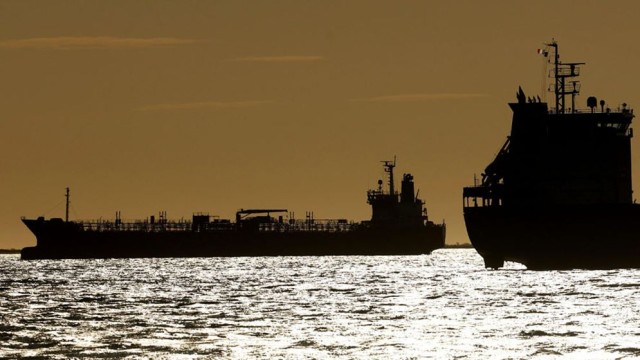
The blockade of the Strait of Hormuz, which carries about 20% of global oil and gas, has rattled markets. Brent crude surged above $105 per barrel, stoking fears of inflation and slowing global growth.
Trump urged NATO allies to secure the strait, calling them “cowards.” Meanwhile, 22 countries including the UK, France, Germany, South Korea, Australia, the UAE, and Bahrain pledged to contribute to maritime security efforts.
Despite reduced strikes on the capital, AFP journalists reported residents cautiously returning to markets during Persian New Year holidays. Yet uncertainty dominates. “We’ve all lost our work. We have no income, and we don’t know how long we can continue like this,” said Shiva, a 31-year-old resident.
Iran’s parliament speaker Mohammad Bagher Ghalibaf warned that if Iranian infrastructure is attacked, oil and energy facilities across the region will be “irreversibly destroyed,” predicting a long-term surge in oil prices.
END/WD/RH







Comment: