
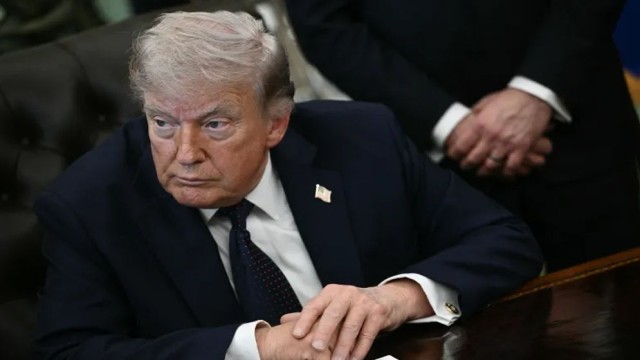
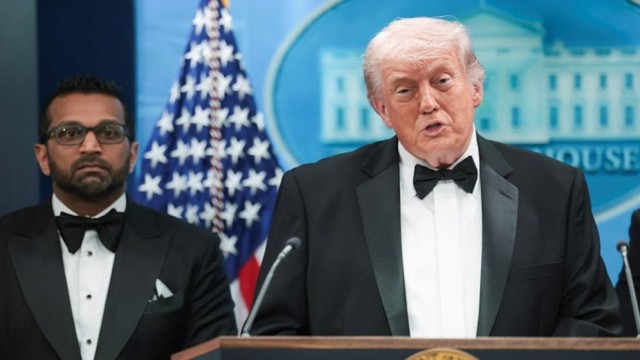
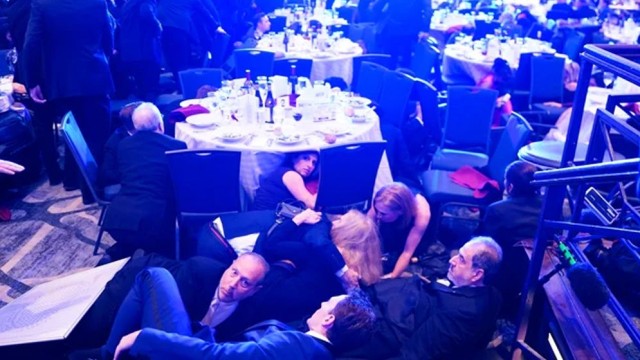
APR 26 (V7N) - French President Emmanuel Macron condemned the attack on US President Donald Trump at a media gala in Washington, calling the armed incident "unacceptable" and reaffirming that violence has no place in a democracy. Macron extended full support to Trump, whose presence at the gala was abruptly marred by the attack.
This incident came as international diplomatic efforts to mediate between the United States and Iran were already in a fragile state. Trump had canceled a planned trip by his envoys, including son-in-law Jared Kushner and special envoy Steve Witkoff, to Pakistan for talks with Iranian officials. Trump expressed frustration, stating that there was no point in engaging in "talking about nothing" and dismissed Tehran's initial negotiating position. However, he also noted that Iran had quickly revised its proposal, offering a new document shortly after he canceled the talks.
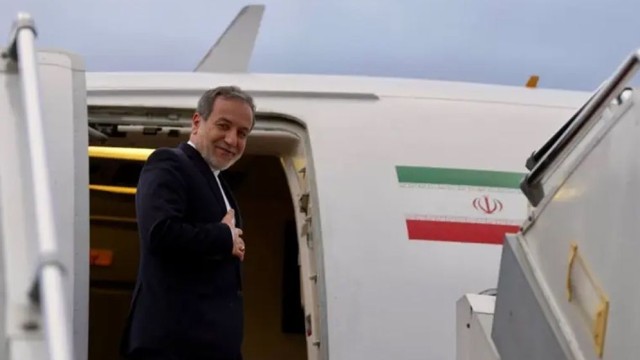
Despite his cancellation of talks, Trump emphasized that the cancellation did not signal a return to hostilities, adding that the U.S. had "all the cards" and was prepared to take action when necessary. Meanwhile, Iranian Foreign Minister Abbas Araghchi completed his visit to Pakistan, where he met with military chief Asim Munir, Prime Minister Shehbaz Sharif, and Foreign Minister Ishaq Dar. While describing the trip as "very fruitful," Araghchi remained skeptical about U.S. intentions and questioned whether Washington was truly committed to diplomacy.
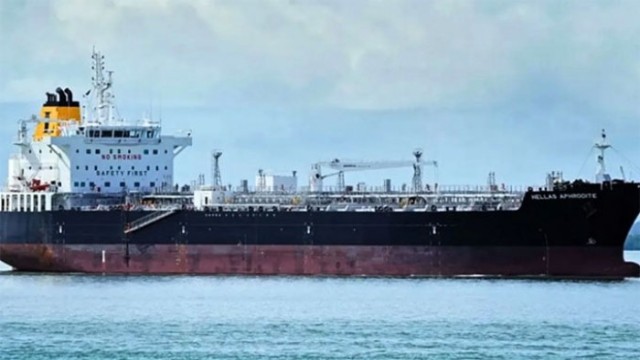
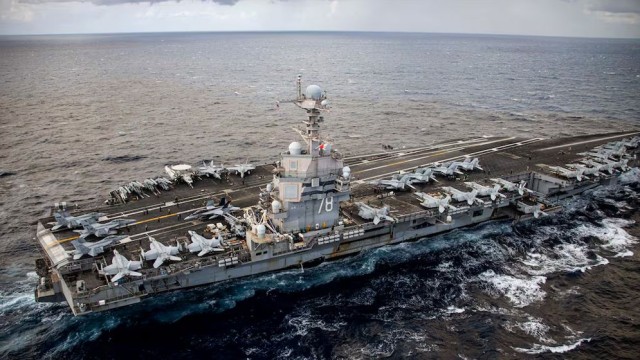
The closure of the Strait of Hormuz, a vital oil route, remained a central issue as tensions escalated. Iran's Revolutionary Guards reaffirmed their blockade on the waterway, stating that controlling the strait was a key component of their strategic deterrence against the U.S. The U.S. responded with its own blockade of Iranian ports, increasing the strain on international trade and energy markets.
The conflict on the Lebanese front intensified as Israeli Prime Minister Benjamin Netanyahu ordered airstrikes on Hezbollah positions after the group allegedly violated a ceasefire. Israeli attacks targeted towns in southern Lebanon, including Bint Jbeil and Tyre, with six casualties reported by Lebanon's health ministry. Israel's military claimed to have "eliminated" multiple Hezbollah operatives during the strikes.
Despite the ongoing hostilities, Trump had expressed optimism for peace after meeting with Israeli and Lebanese officials, announcing a three-week truce extension. However, Hezbollah's political leader, Mohammed Raad, urged Lebanon to withdraw from the peace talks, warning that any agreement would lack national consensus and would not represent the will of the Lebanese people.
The outlook for U.S.-Iran relations remains uncertain, as President Trump’s cancellation of talks leaves the diplomatic landscape in flux. Meanwhile, the situation in the Middle East continues to evolve, with escalating military operations, deepening tensions over the Strait of Hormuz, and complex diplomatic negotiations between major global powers.
END/WD/RH





Comment: