Dhaka, Sept 15 (V7N) – With the prompt initiative of the government, gas supply to the national grid has increased to 2,606 million cubic feet per day (mmcfd), according to Petrobangla.
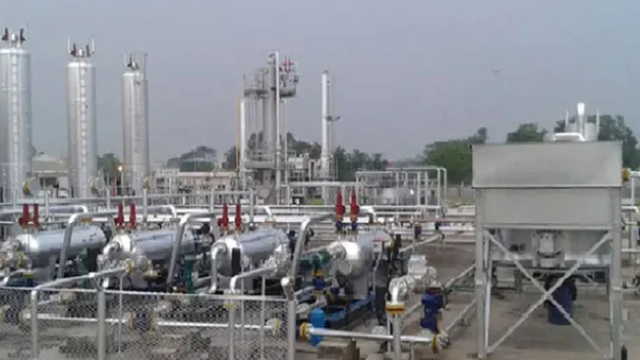
Petrobangla Director (Operation and Mines, Additional Charge) Engineer Md Shoyeb told BSS that 2,606 mmcfd of gas was supplied to the national grid at 4pm on Tuesday. According to Petrobangla data, 1,615 mmcfd of gas is coming from domestic sources while 991 mmcfd is coming from floating regasification units installed in the sea.
An official of Bangladesh Oil, Gas and Mineral Resources Corporation (Petrobangla) said the government has been working uninterruptedly to keep the country's energy supply normal, with experts deployed to oversee imports of Liquefied Natural Gas (LNG). The gas availability in the country has shown positive improvement compared to previous days.
Gas supply is being managed by coordinating domestic production with imported LNG to increase the supply to the national grid, Shoyeb added.
The improvement comes after weeks of severe gas shortages that had crippled power generation and industrial production. The Excelerate Energy FSRU at Maheshkhali had been shut down following a fire on July 21 and resumed partial operations on August 6, only to be suspended again from August 19 due to a cargo shortage. The situation improved after an LNG cargo arrived ahead of schedule on August 22, boosting supplies.
State Minister for Power, Energy and Mineral Resources Aninda Islam Amit had earlier expressed hope that the power and energy situation would improve significantly within two weeks, with 88 percent of the gas supply system already restored. The government has also been working to increase LNG imports and has signed agreements for additional cargoes to meet demand.
Bangladesh has been facing a severe energy crisis, with gas supply falling to its lowest level in a decade in August 2026. The crisis has been exacerbated by the Middle East conflict, which disrupted LNG supplies from Qatar—one of Bangladesh's major long-term suppliers—forcing the country to rely on expensive spot-market purchases. The government has taken various measures to address the crisis, including increasing domestic gas production, expanding LNG infrastructure, and promoting renewable energy. The government aims to stabilize gas supply at around 3,000 mmcfd in the coming months.