
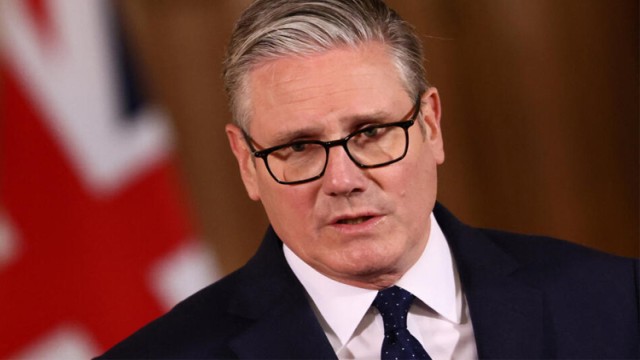
LONDON, May 11, (V7N) — Under pressure after poor local and regional election results, UK Prime Minister Keir Starmer is planning a political reset on Monday as questions grow about his leadership.
In a scheduled speech, Starmer’s office said he will admit that “incremental change” isn’t enough for a frustrated public, and will pledge “a bigger response” focused on boosting economic growth, strengthening ties with Europe, and energy policy.
On Sunday, Education Minister Bridget Phillipson pushed back against calls for a leadership challenge, arguing it wasn’t the solution after Labour’s heavy losses last week. Starmer himself has indicated he intends to remain in office until 2034.
Still, discontent is visible within Labour. Former junior minister Catherine West warned that if no cabinet member moves against Starmer by Monday, she will initiate a leadership contest herself. A challenge could trigger a divisive internal battle between the party’s left and right wings over potential successors.
Under Labour rules, a leadership contest requires backing from 81 MPs — 20% of the parliamentary party. Another MP, Josh Simons, called on Starmer to resign, saying he had “lost the country.” Veteran MP Clive Betts also said a new leader should be brought in “in a proper and constructive manner in the next few months.”
The elections were especially damaging in Wales, where Labour lost control of the devolved government for the first time in the Cardiff parliament’s 27-year history. Nationwide, Labour shed nearly 1,500 council seats, while Nigel Farage’s anti-immigration Reform UK jumped from under 100 seats to more than 1,400.
In Scotland, SNP leader John Swinney used the results to renew calls for another independence referendum, citing the need to protect Scotland from a potential Reform government.
Starmer came to power less than two years ago with a landslide that ended 14 years of Conservative rule. Since then, he’s faced criticism over policy missteps and a controversy involving Peter Mandelson’s brief stint as UK ambassador to Washington, which ended after his links to Jeffrey Epstein surfaced.
Economic growth remains weak and many Britons are still feeling the cost-of-living squeeze, though Starmer has drawn some praise for his stance against U.S. President Donald Trump on Iran.
Speculation had circulated before Thursday’s vote that figures like former deputy PM Angela Rayner or Health Minister Wes Streeting might move against Starmer, but both would need significant MP backing to launch a challenge. Rayner stopped short of calling for him to resign on Sunday, but wrote on X that the current approach “isn’t working and it needs to change.”
Other potential contenders include Andy Burnham, Greater Manchester’s mayor, who can’t currently run without a parliamentary seat. Some in the party have floated “unity” candidates such as Defence Secretary John Healey or Armed Forces minister Al Carns.
The lack of a clear successor may help Starmer stay on. Labour is also wary of instability after the Conservatives cycled through three prime ministers in four months in 2022.
Starmer has insisted he will stay. Asked by the Sunday Mirror if he would lead Labour into the next election and serve a full term, he said: “Yes, I will.” He added: “I’ve always said it’s a decade of national renewal.”
END/WD/RH




Comment: