
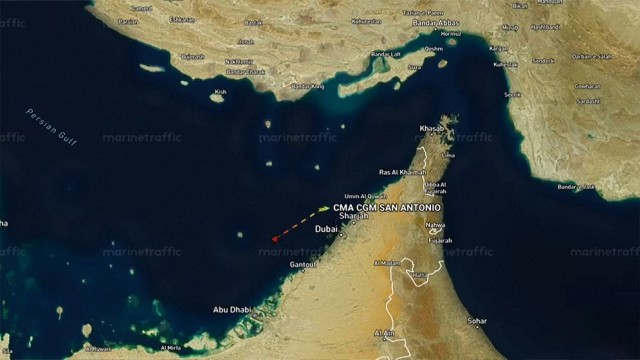
BEIJING, May 11, (V7N)— China’s consumer prices edged higher in April, driven by a rise in global crude oil costs linked to the Iran war, according to official figures released Monday.
Factory-gate prices also continued to recover, increasing for the second consecutive month after remaining negative since October 2022. The rebound was largely tied to higher oil prices.
Still, analysts caution that deflation remains a risk for the world’s second-largest economy, with prices still falling in other sectors and excess industrial capacity continuing to weigh on growth.
Data from the National Bureau of Statistics (NBS) showed China’s consumer price index (CPI), a main gauge of inflation, rose 1.2% year-on-year in April.
NBS chief statistician Dong Lijuan attributed the increase to “changes in international crude oil prices and increased demand for holiday travel.” Domestic gasoline prices jumped 19.3% from a year earlier, reflecting global commodity price swings.
Travel and consumer spending also typically pick up ahead of the five-day May Day holiday at the start of May.
Even with April’s uptick, CPI remains well below Beijing’s annual target of around 2%.
The producer price index (PPI), which tracks wholesale inflation, climbed 2.8% year-on-year in April, up from 0.5% in March. That beat Bloomberg’s forecast of 1.8% and was the fastest pace since July 2022, when PPI rose 4.2%. The index had been in negative territory since October 2022 before turning positive in March.
“The rise in international crude oil prices drove up prices in domestic petroleum-related sectors,” Dong said in a statement, citing fuel processing and raw materials manufacturing.
But analysts say the oil-driven boost is likely short-lived. “The fallout from the Iran War pushed up inflation again in April but price pressures remain narrow in scope and aren't likely to build into a wider reflationary impulse,” Capital Economics noted.
The firm added: “With overcapacity in most sectors unresolved and domestic demand growth still sluggish, the ingredients for a sustained reflationary impulse still appear to be missing.”





















Comment: