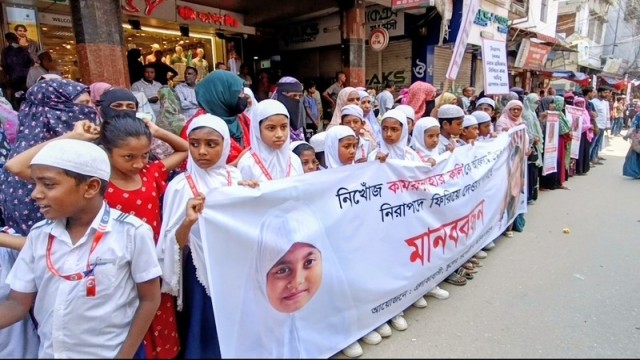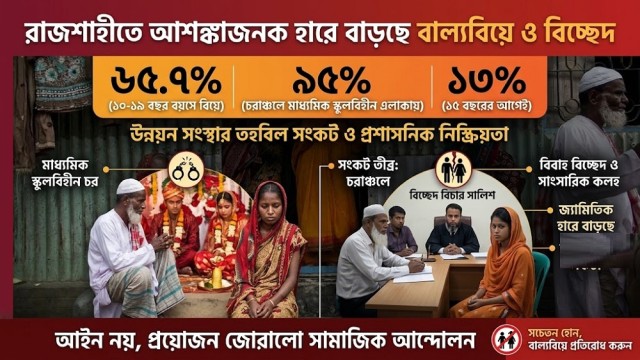
Rajshahi, Sept 18 (V7N) – Efforts to prevent child marriage have slowed significantly in Bangladesh’s Rajshahi region amid a prolonged leadership vacuum in local government bodies, inadequate dedicated funding for union councils and declining financial support for development-focused non-governmental organisations.
Although committees exist at various administrative levels, a lack of coordinated and visible action on the ground has raised concerns over the growing prevalence of underage marriage across the district. Legal and social analysts say the trend is also contributing to family disputes and an increase in marital breakdowns and divorces.
The latest data from the Bangladesh Bureau of Statistics (BBS) show that 65.7 percent of people aged 10 to 19 in the Rajshahi region are married before reaching adulthood, while 7.12 percent are married between the ages of 10 and 14.
A review of the bureau’s 2025 survey indicates that nearly 67 percent of girls in Rajshahi Division are married before reaching the age of 18. The rate is around 50 percent in urban areas and approximately 56 percent in rural areas. At least 13 percent of girls are reportedly married before turning 15.
Legal analysts say early marriage exposes children to physical and psychological complications and can increase the risk of marital conflict, separation and divorce at an early age.
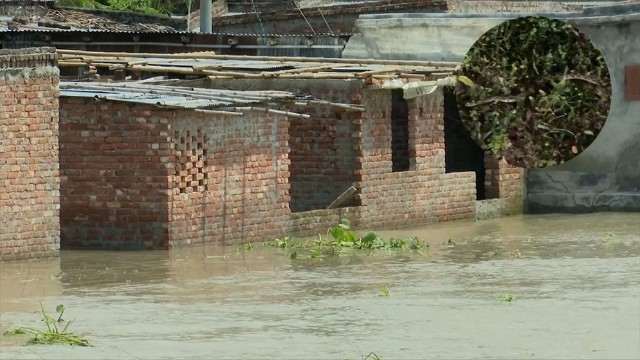
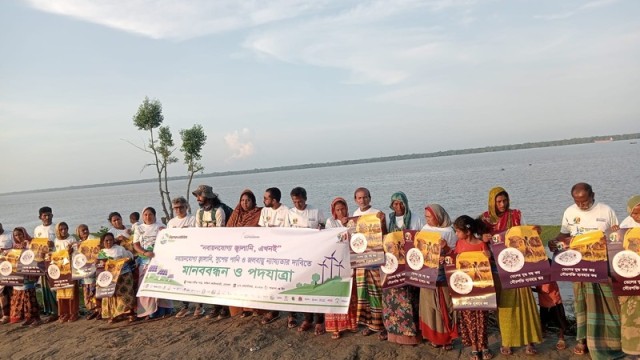
The situation is particularly severe in remote riverine areas of Rajshahi, especially Char Majardia in Paba and surrounding communities. With no secondary or higher-secondary educational institutions in the area, local sources estimate that nearly 95 percent of children who complete primary school are subsequently subjected to child marriage.
Many girls who perform well academically at the primary level and aspire to continue their education are unable to do so because of difficult transportation, geographical isolation and concerns over social security. Citing these difficulties, parents often consider early marriage a safer option, effectively bringing their daughters’ education and prospects to an early end.
While administrative offices continue to hold meetings, seminars and awareness programmes on specific national and international observance days, preventive activities remain largely limited in vulnerable communities such as the riverine chars.
Representatives responsible for child marriage prevention at the union level acknowledge that the absence of dedicated project and awareness budgets has made it difficult to regularly organise courtyard meetings, community gatherings and other grassroots campaigns.
In some cases, individual initiatives or immediate intervention following instructions from local authorities have succeeded in stopping planned child marriages. However, such interventions have not addressed the underlying causes of the problem, officials and local representatives say.
Previously, more than 50 NGOs in Rajshahi and surrounding areas were involved in legal assistance, adolescent health services and awareness programmes. However, shrinking international and national funding has forced many of them to scale back or discontinue such activities.
The few clubs and programmes that remain active are unable to address the scale and complexity of the problem, according to local observers.
Development analysts and rights activists say eliminating child marriage requires more than strict enforcement of the law or the formation of administrative committees. They argue that sustained social mobilisation, stronger grassroots initiatives and greater involvement of local representatives are essential to creating lasting awareness and preventing underage marriages.
END/MRA/SMA/